Global Japanese Comfort Recipes
Highlighted under: Hearty & Delicious Comfort Food
Explore the delightful world of Japanese comfort food with these globally inspired recipes that bring warmth and satisfaction to any meal.
Japanese comfort food is more than just a meal; it's a hug on a plate. These recipes combine traditional flavors with global influences, making them perfect for any home cook looking to warm their heart and belly.
Why You'll Love These Recipes
- A harmonious blend of global flavors with traditional Japanese comfort.
- Perfectly balanced dishes that cater to both the adventurous and the classic palate.
- Easy to prepare, making them ideal for weeknight dinners or special gatherings.
The Heart of Japanese Comfort Food
Japanese comfort food is all about warmth and familiarity. Dishes like ramen and katsu curry evoke a sense of home, often enjoyed during family gatherings or rainy days. These meals are not just about nourishment; they tell stories of tradition and cultural heritage. The umami flavors that characterize Japanese cuisine create a deep satisfaction, making every bite a comforting experience.
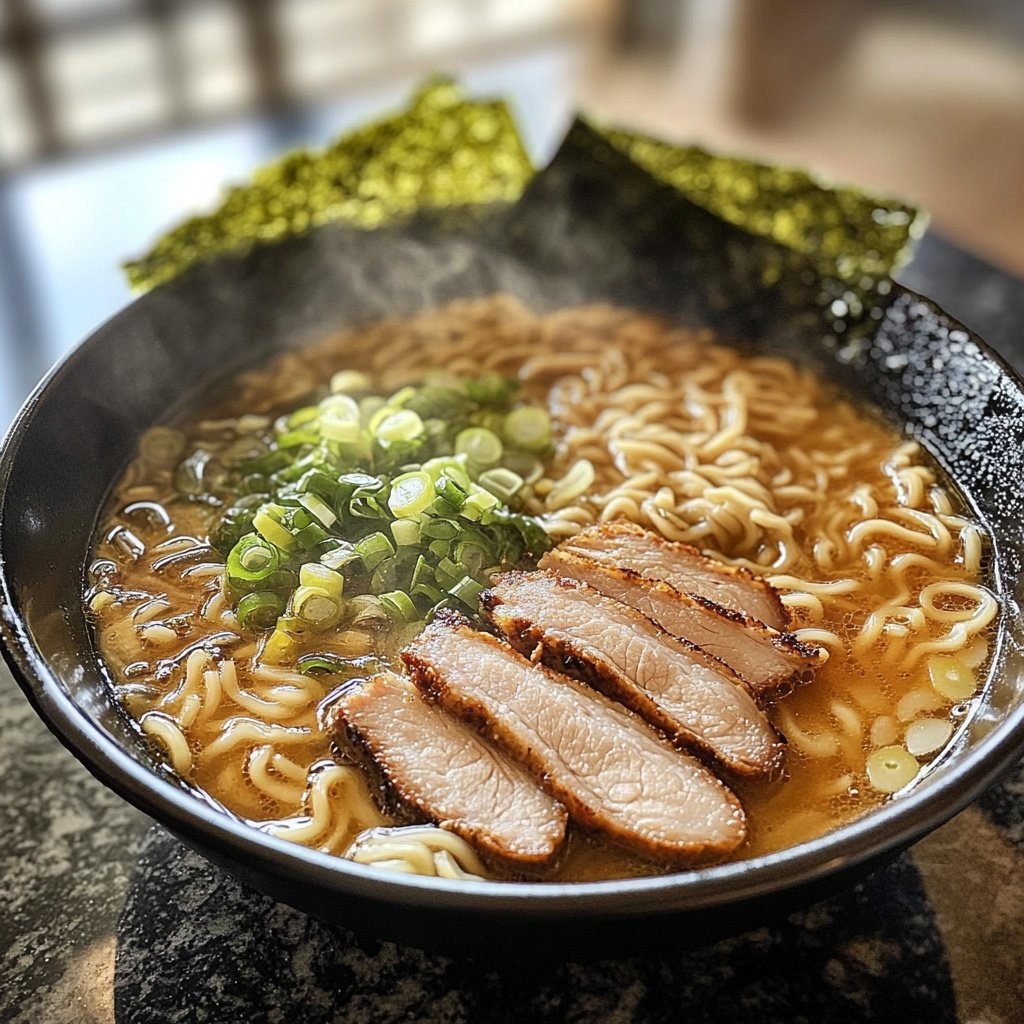
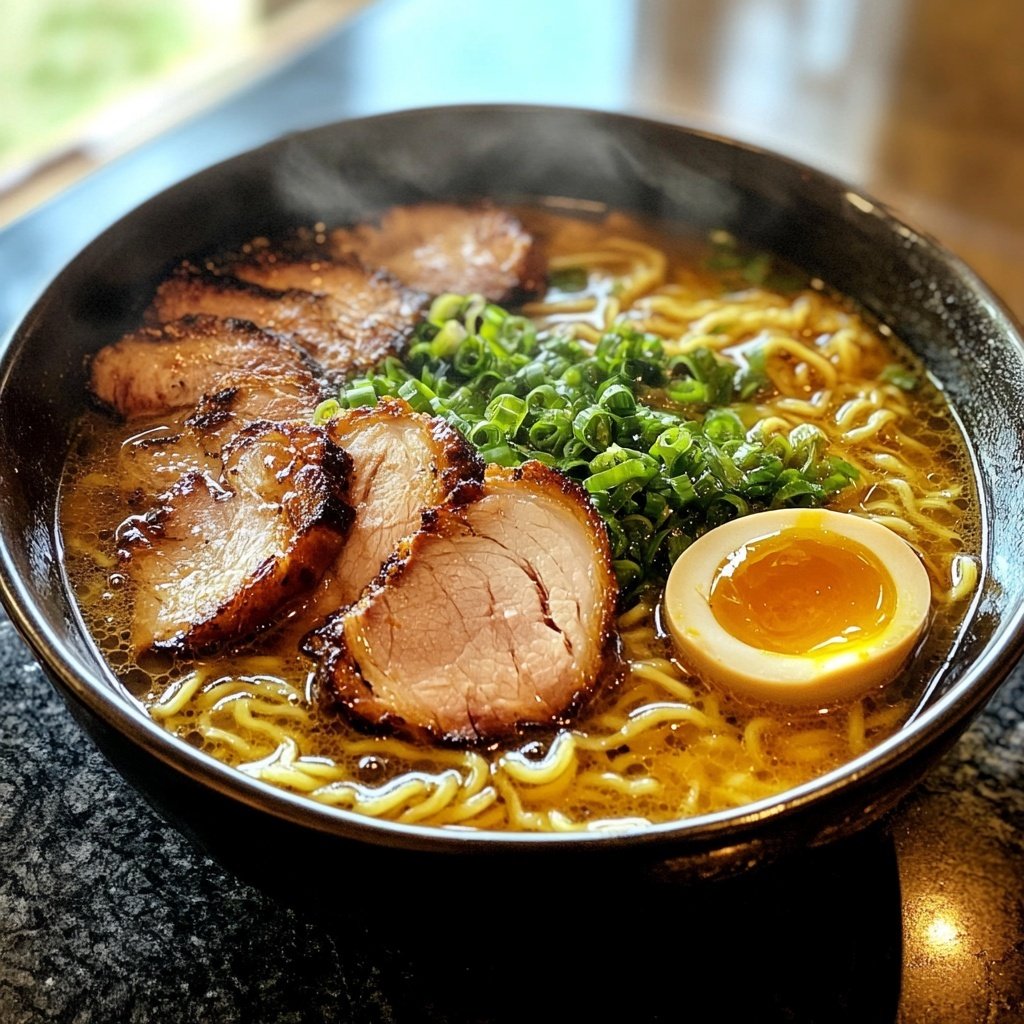
Ramen, for instance, is a staple in Japanese households. It comes in countless variations, but at its core, it’s a soothing bowl of broth, noodles, and toppings. This dish transcends borders, as many countries have adopted their own versions while still paying homage to the original flavors. Likewise, katsu curry combines the crispiness of breaded pork cutlets with the rich, savory notes of curry, providing a delightful fusion that appeals to a global audience.
A Culinary Journey with Global Influences
Incorporating global flavors into traditional Japanese recipes can elevate familiar dishes while introducing exciting new tastes. For example, the addition of spices and herbs from various cuisines can create a vibrant twist on classic ramen or katsu curry. By experimenting with ingredients, you can make these dishes your own while still respecting their roots.
Moreover, these recipes are adaptable, allowing you to cater to different dietary preferences. Whether you prefer plant-based options or are looking to incorporate more vegetables, the beauty of these comfort foods lies in their versatility. You can easily swap ingredients based on what’s available in your pantry or what tantalizes your taste buds.
Cooking Tips for Success
To ensure that your ramen comes out perfectly, pay attention to the timing of each component. While the broth simmers, make sure to prep your toppings, so everything is ready to come together seamlessly. Soft-boiled eggs, for example, should be cooked just right – firm whites with a slightly runny yolk add an indulgent touch to your dish.
When making katsu curry, the key is to achieve that golden-brown crust on your cutlets. Don’t rush the frying process; let them cook thoroughly on each side before transferring them to the oven. This method helps lock in moisture while ensuring a crispy exterior. Remember, patience is essential in creating the perfect comfort food.
Ingredients
Ramen Noodle Soup
- 4 packs of ramen noodles
- 8 cups chicken broth
- 2 tablespoons soy sauce
- 1 tablespoon miso paste
- 1 cup sliced green onions
- 2 cups baby spinach
- 4 soft-boiled eggs
- Sliced nori for garnish
Katsu Curry
- 4 pork cutlets
- 1 cup panko breadcrumbs
- 2 tablespoons flour
- 2 eggs, beaten
- 1 large onion, chopped
- 2 carrots, sliced
- 2 potatoes, diced
- 3 cups vegetable broth
- 1/4 cup Japanese curry powder
Gather all your ingredients and get ready to create comforting dishes that warm your soul.
Instructions
Prepare Ramen Noodle Soup
- In a large pot, bring the chicken broth to a boil.
- Add soy sauce and miso paste, stirring until dissolved.
- Cook ramen noodles according to package instructions, then drain.
- In bowls, layer noodles, spinach, and green onions, then pour broth over.
- Top with soft-boiled eggs and nori before serving.
Make Katsu Curry
- Preheat the oven to 180°C (350°F).
- Dredge pork cutlets in flour, dip in egg, then coat with panko breadcrumbs.
- Fry in a pan until golden brown, about 4-5 minutes each side, then bake for 10 minutes.
- In a separate pot, sauté onions, carrots, and potatoes until soft.
- Add vegetable broth and curry powder, simmer for 20 minutes.
- Serve cutlets with curry sauce over rice.
Enjoy your delicious Japanese comfort dishes, perfect for sharing or savoring alone.
Pro Tips
- For an extra kick, add chili oil to your ramen soup. For Katsu Curry, serve with rice for a complete meal.
Serving Suggestions
When serving ramen, consider adding a variety of toppings beyond the soft-boiled eggs and nori. Sliced bamboo shoots, bean sprouts, or even a sprinkle of sesame seeds can enhance the visual appeal and flavor profile. Don't forget to serve with a side of kimchi or pickled vegetables for a delightful contrast.
For katsu curry, serve the dish over a bed of steamed rice for the ultimate comfort food experience. A sprinkle of chopped green onions or a drizzle of tonkatsu sauce can elevate the dish further. Pair it with a simple salad to balance the meal and add freshness.
Storing and Reheating
Both ramen and katsu curry can be stored for later enjoyment. If you have leftovers, it's best to keep the components separate to maintain the quality of the noodles and cutlets. Store the broth in an airtight container and the noodles in a sealed bag to prevent them from becoming mushy.
When reheating, warm the broth gently on the stovetop. For the noodles, a quick dip in boiling water will revive their texture. The katsu cutlets can be reheated in the oven for a few minutes to restore their crispiness. Follow these tips, and you'll have delicious meals ready to enjoy again!
Questions About Recipes
→ Can I substitute chicken broth with vegetable broth?
Yes, vegetable broth works well for a vegetarian option.
→ Is it possible to make the ramen noodles gluten-free?
Absolutely! Use gluten-free ramen noodles as a substitute.
→ What can I use instead of pork cutlets?
You can use chicken cutlets or tofu for a vegetarian option.
→ How do I store leftovers?
Store leftovers in an airtight container in the refrigerator for up to 3 days.
Global Japanese Comfort Recipes
Created by: The Bitecraftrecipes Team
Recipe Type: Hearty & Delicious Comfort Food
Skill Level: Intermediate
Final Quantity: 4 servings
What You'll Need
Ramen Noodle Soup
- 4 packs of ramen noodles
- 8 cups chicken broth
- 2 tablespoons soy sauce
- 1 tablespoon miso paste
- 1 cup sliced green onions
- 2 cups baby spinach
- 4 soft-boiled eggs
- Sliced nori for garnish
Katsu Curry
- 4 pork cutlets
- 1 cup panko breadcrumbs
- 2 tablespoons flour
- 2 eggs, beaten
- 1 large onion, chopped
- 2 carrots, sliced
- 2 potatoes, diced
- 3 cups vegetable broth
- 1/4 cup Japanese curry powder
How-To Steps
- In a large pot, bring the chicken broth to a boil.
- Add soy sauce and miso paste, stirring until dissolved.
- Cook ramen noodles according to package instructions, then drain.
- In bowls, layer noodles, spinach, and green onions, then pour broth over.
- Top with soft-boiled eggs and nori before serving.
- Preheat the oven to 180°C (350°F).
- Dredge pork cutlets in flour, dip in egg, then coat with panko breadcrumbs.
- Fry in a pan until golden brown, about 4-5 minutes each side, then bake for 10 minutes.
- In a separate pot, sauté onions, carrots, and potatoes until soft.
- Add vegetable broth and curry powder, simmer for 20 minutes.
- Serve cutlets with curry sauce over rice.
Extra Tips
- For an extra kick, add chili oil to your ramen soup. For Katsu Curry, serve with rice for a complete meal.
Nutritional Breakdown (Per Serving)
- Calories: 480 kcal
- Total Fat: 20g
- Saturated Fat: 5g
- Cholesterol: 160mg
- Sodium: 900mg
- Total Carbohydrates: 55g
- Dietary Fiber: 4g
- Sugars: 5g
- Protein: 25g